
In my previous blog post, we left an inquiry hanging in the air: two distinct voices, two visions of grace, two fundamentally different placements for the kingdom. Jesus says the kingdom is within and invites unmediated trust in God. Paul reframes the drama around a completed cosmic transaction centered on “cosmic blood.” The question refuses to politely go away: will we dare experiment with the inward path the Hebrew Scriptures encourage, or will the gravitational pull of the later pagan Pauline system keep winning by default?
This post is not another round of contrast. It is an experiment. What does it actually look like, day after day, to let Scripture soften the stony heart of our devotional conversation without leaning on the scaffolding of propitiation language, imputed righteousness, or “finished work” declarations as the primary engine?
The Machinery We’re Tempted to Keep
Most of us professing relation to the Bible were handed a system in which the heavy lifting is already done. The cross is the altar; faith is assent to that altar; assurance comes from believing the transaction was accepted. There is real comfort in it. When conscience accuses or life collapses, the reflex is swift: “It is finished. I rest in His blood.” Many have found genuine relief there.
But notice what this reflex quietly displaces. The new covenant promise in Jeremiah 31 and Ezekiel 36 is not primarily about a legal declaration. It is about transformation by inscription: “I will put my law in their minds and write it on their hearts… I will give you a new heart and put a new spirit in you; I will remove from you your heart of stone.” The mechanism is internal re-writing. The tutor is the Scriptures itself, absorbed, wrestled with, hidden in the heart until it begins to reshape desire.
Paul’s genius was to give tormented consciences a place to stand outside the self. The genius of the Jesus character (and the prophets before him) was to insist the only lasting solution is inside the self, remade by God. The tension cannot be waved away with “both/and” until we have honestly let the Scriptures work long enough to see what fruit it bears.
The Quiet Practice
This is not mysticism without content. It is stubbornly textual.
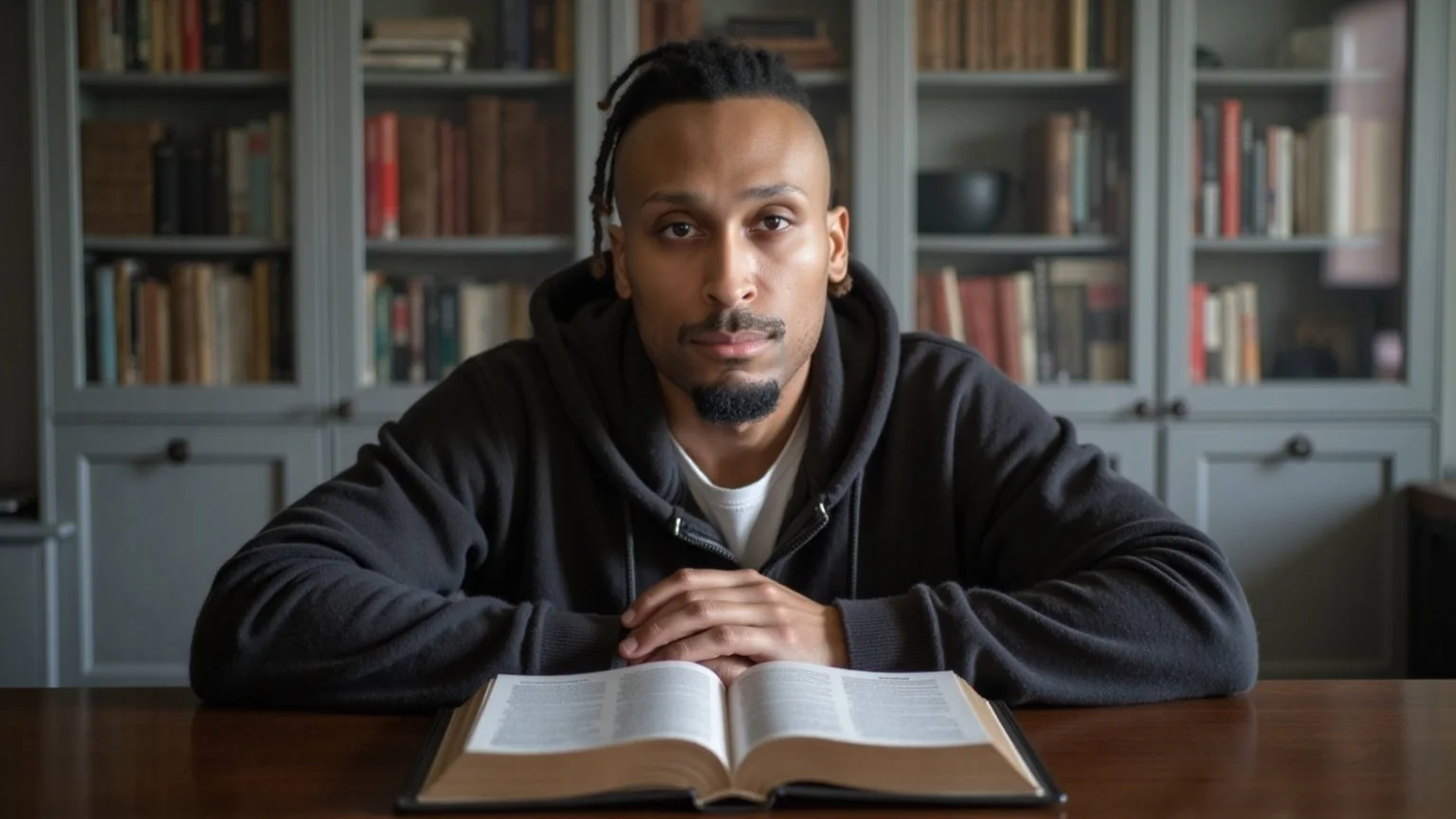
You take the Bible’s words; especially the words of Torah, Prophets, Psalms; and you let them internally dwell. Not as ammunition for doctrine. Not primarily as promises to claim. But as living instruments. You read slowly. You repeat. You carry a single sentence for days. You research the language and the context of that sentence. You let it accuse, comfort, expand, and narrow you. You argue with it. You let it argue with you.
Psalm 119 is embarrassingly blunt about this process. The psalmist does not say, “I rest in the finished work.” He says the word revives, strengthens, enlarges the heart, turns feet from evil, makes wise the simple. He hides it that he might not err. He meditates on it all day. This is the inward alchemy the new covenant envisions.
The authors of the gospels script Jesus doing the same. “The words I have spoken to you, they are full of the Spirit and life” (John 6:63). Not “my forthcoming death will be full of Spirit and life.” The words. The Sermon on the Mount is not a new law to make us feel helpless so we flee to the cross. It is a description of the heart that has already begun to be softened. The Beatitudes are not entrance requirements; they are observations of what the “kingdom” looks like when it actually takes root within.
Try it for seven days without rushing to the interpretive grid that turns every command into “law” and every comfort into “gospel.” Just sit with the Bible’s words. Let the discomfort come. Let the hunger come. Let the small moments of alignment come. This is the yeast working.
What Softening Actually Feels Like
It is rarely dramatic. More often it is the slow erosion of old spiritual defenses. A sharper devotional conscience that no longer needs external accusation. A wider compassion that does not require emotional manipulation. A quieter confidence that does not need, because the relationship is becoming real, constant reassurance of “positional” acceptance.
You will still fail. The difference is that failure is no longer proof that the transaction might not have “taken.” It is simply more data for the words to work on. Repentance becomes less theatrical, better defined, and more surgical, turning again toward the light that is already shining inside the house.
The mountain-moving faith that the Jesus character spoke of is not optimism plus correct doctrine about atonement. It is the heart that has grown so congruent with the character of God that obstacles are seen differently. That congruence is not instant. It is formed by the words becoming flesh in us.
Two Honest Objections
Some will say this slides toward works-righteousness. Fair concern. The prophets and the Jesus character themselves knew the human heart’s capacity for self-deception. That is why the constant return to Scripture is essential; the words judge the heart more deeply than any system of imputation can. The safeguard is not a legal fiction but immersion in the words that expose and heal simultaneously.
Others will worry we are diminishing the cross. Not at all. The cross stands as a figurative illustration demonstrating the character of that cross’ Deity, which character is self-giving love to the end. But demonstration is not the same as substitutionary machinery that does the softening for us. The cross can be the supreme revelation that empowers the inward work rather than replacing it.
The Kingdom That Refuses to Stay Postponed
The Jesus of the Gospels keeps refusing to locate the kingdom primarily in a future age or a heavenly ledger. It is like a seed, treasure, yeast, light; something that operates from within the present reality of a surrendered devotional life. Paul’s letters often breathe a different atmosphere: “already/not yet” tilted heavily toward the “not yet,” with the cross as the “down-payment.”
We do not have to solve the apostolic tension before we obey the clearer voice. The kingdom is within you. The words are spirit and life. The heart of stone is being replaced, one honest meditation and reflection on the Scriptures at a time.
The question from the last post remains, but now it has teeth in daily life: Will we dare the slow, un-dramatic work of letting the Bible’s words dwell richly until they change us from the inside? Or will we keep reaching for the more reassuring yet unrealistic machinery?
