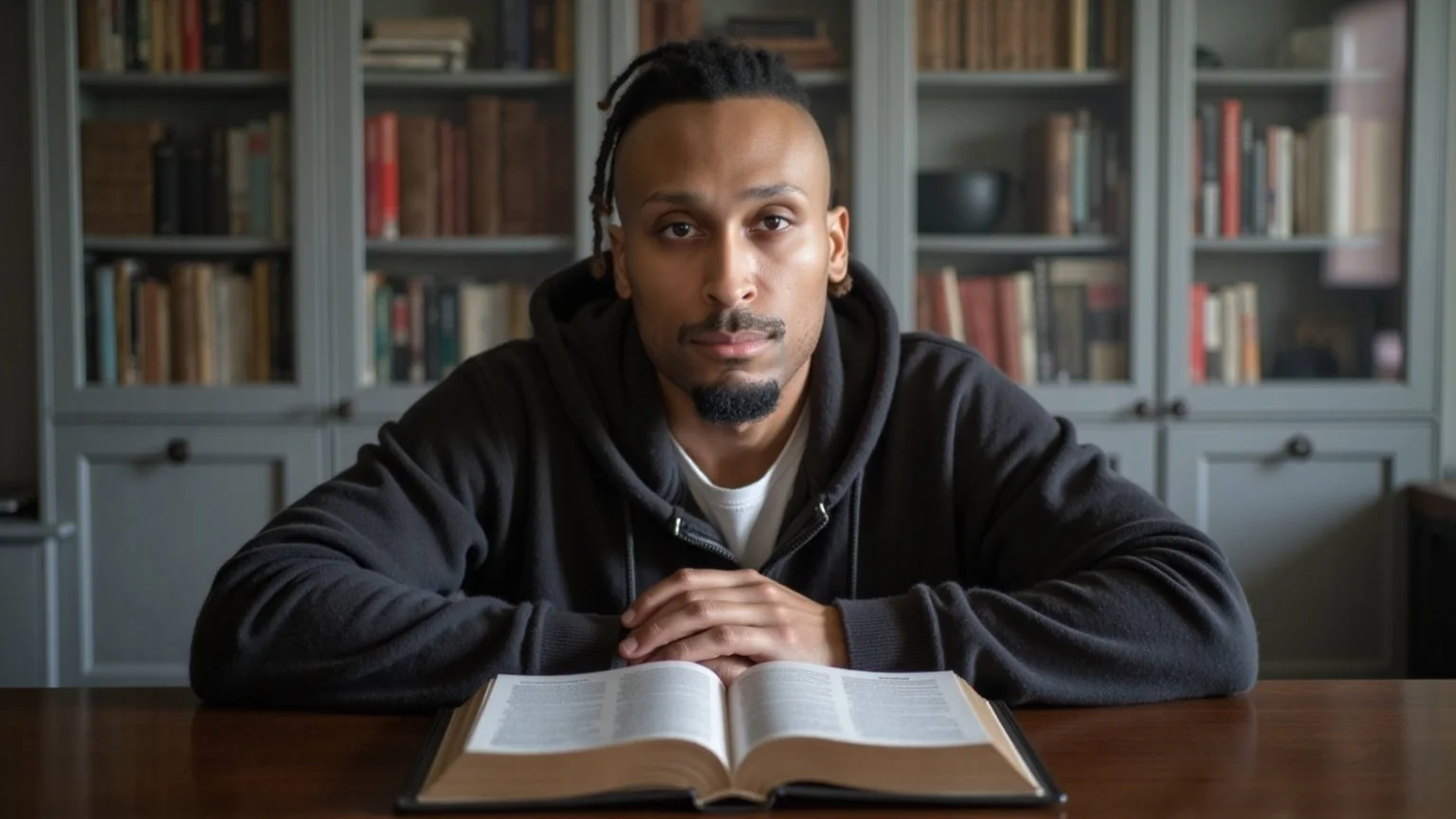

devotional renewal

What Is the Kingdom of God Really Like: An Inner Journey to True Victory

A few months ago, I lightly explored this question, and today I'm returning to it because it still feels absolutely relevant: What is the Kingdom of God?

It's not a literal kingdom with borders and thrones. Instead, it's a living spiritual service—a devotional experience unfolding right now in the quiet space of your inner thoughts, feelings, and prayers. Here, the wisdom found in Scripture takes center stage, guiding you beyond traditional religious ideas and denominational theories into a higher, purely inward experience. You step away from the external world of religion and let the Bible’s Mind speak directly, free from human ego or control.

What does this Kingdom feel like? It's like one person gently consoling another after a profound loss. In that moment of shared grief, empathy flows, healing begins, and strength slowly returns. The Kingdom (a mental experience) meets us in our spiritual losses, like outdated beliefs or empty traditions, and offers the comfort that leads to true devotional recovery.

It's also like a brave warrior stepping out of intense battle, victorious and now bearing a respected new title. Your inner devotional self engages in a real struggle against old religious pride, doubt, and habits. With courage, it fights through, emerges refined and humbled, and receives a fresh name, an identity that truly reflects its individual purpose and character.

This process transforms your entire inner dialogue. Just as a warrior earns a name through victory, your thoughts wrestle with themselves under Scripture's guidance, shedding pride to embrace humility. The result? A regenerated devotional life with clear direction: a personal mission, a unique identity, and a way to benefit others.

Scripture calls us to a more authentic devotional life, one where we personally consecrate ourselves to the Bible’s living wisdom. Only by personally carrying our faith's weaknesses and letting Scripture refine them do we find true blessing. Herein Abraham becomes our example: not literally, but spiritually and psychologically. Stepping away from religious crowds and theories to meet our faith alone shows the highest virtue, because only in that quiet space can the Bible’s wisdom fully impact us.

This solitude feels like a wilderness at first; dry, confusing, even painful. Church no longer satisfies, familiar teachings fall flat, and you might feel lost or angry, wondering if something's gone wrong. You've been let down by human-centered religion, and the loss hurts. But Scripture promises this solitary way is actually the right way (Psalm 107). The wilderness won't stay barren; it will rejoice and bloom if you stay within the Bible’s guiding principle.

With courage; like that victorious warrior; you press on. Confusion turns to clarity as the Bible’s words revive your inner devotional life, regenerating your thoughts and justifying your existence with a new name and purpose. This is the living God’s loving kindness: the ongoing service that resurrects your spirit, matures your humanity, and orders your inner world. As Psalm 50 says, those who order their conversation rightly will see the intended salvation.

The Kingdom of God is this present reality: a nurturing mental and inward gift through the Bible’s words for any willing heart. It starts with accepting that something feels off in your spiritual life, then courageously turning alone to Scripture for fact. Don't take this seemingly empty period of your life for granted. Embrace the solitude and discover the living, transformative power waiting within your devotional conversation.

Devotional Renewal: The Transformative Power of Solitude with the Bible

In the religious world, tradition often calls us to trust routines and theories that are rarely examined on a personal level. These traditions can cause us to conform our beliefs to religious speculation rather than an authentic, meaningful, and useful understanding. This dynamic makes it crucial to find moments of solitude with the Bible—time to reflect deeply, question freely, and connect with our devotional character.

My journey is always connected to a verse that resonates deeply with it: "God setteth the solitary in families: he bringeth out those which are bound with chains" (Psalm 68:6). The Bible's liberation is not about breaking literal chains, but the spiritual and religious burdens we carry. Through solitude, I allow my devotional conversation time to align with the Bible's. It is in these moments that I experience the Bible’s intended "resurrection," gaining inward wisdom and strength by letting its words revive my understanding and concept of self.

The Importance of Solitude

Solitude is more than physical isolation; it is a state of intentional reflection and focus. Philosophically, solitude offers a sacred space to step away from normal distractions to not only embrace the Bible’s deeper reality, but also the deeper reality of who we are as human and as devotional creatures.

The Bible celebrates solitude as a place of connection and renewal with the living Mind of the living God. Abraham, as Isaiah 51:2 tells us, was "called alone" and blessed greatly. This practice of solitude is also exemplified within the book of Mark, as Mark 1:35 describes: "And in the morning, rising up a great while before day, he went out, and departed into a solitary place, and there prayed." Solitude is where the heart communes with understanding, undisturbed by worldly religious noise.

The Benefits of Solitude for Personal Growth

Solitude encourages the focus needed to grasp the Bible’s deeper logic. As Isaiah 28:9-10 teaches, understanding comes by building knowledge "precept upon precept, line upon line." This reflective process is magnified in solitude, where we have the time to learn the Bible’s character, allowing us to connect "spiritual things with spiritual" (1 Corinthians 2:13).

There is also an emotionally healing aspect to how the Bible would educate our devotional character. The Bible offers profound emotional solace during solitary reflection. Words can heal. Ecclesiastes 7:2 reveals that contemplating life's transience can bring clarity and peace: "It is better to go to the house of mourning... the living will lay it to his heart." Solitude creates space for this transformative contemplation.

Time with the Bible means the regeneration and the refreshing of our personal and devotional self, offering to us a reminded that spiritual renewal often begins in quiet moments. Through solitude, we open ourselves to incredible wisdom, inviting a rebirth of purpose, understanding, and connection with our belief.

Practical Steps to Embrace Solitude

Creating a Safe Space
Quietness makes learning comfortable. The author writing the book of Romans even associates learning with comfort, writing that what is written from Genesis to Malachi is for “our learning, that we through patience and comfort of the scriptures might have hope” (Romans 15:4). Choose a safe and quiet place to focus entirely on reflection. Remember that quietness equals comfort, and comfort, to the Bible, equals learning.

Daily or Weekly Practices
Start small—set aside just 10-15 minutes daily for solitude. Use this time for reflection on the Bible’s words, or on the impact of those words on self, or simply sitting in silence to connect with your thoughts and emotions. OR embrace the Bible-scheduled weekly therapeutic appointment for the seventh day. The hours of this period of time are for “rest,” which in the original language means that these hours are for the philosophical rejuvenation of our devotional character’s thoughts and feelings. This is not a “church day.” This appointment is for refreshing our belief’s understanding and purpose.

Overcoming Distractions
Minimize distractions by turning off devices and notifying loved ones of your quiet time if necessary. Focus on the present moment, on retaining an aspect or a concept or a counsel from within the Bible, gently bringing your mind back if it wanders.

Guided Reflection Practices

Meditative Reading
Choose a Bible passage, or even one or two verses and read it slowly, reflecting on its symbolic meaning. Ask yourself how it speaks to your current experiences or challenges. If inclined to further reflect, look for similar instances of that passage, or of those verses, within other familiar passages or verses within the Bible. Write what you find. Reflect on it. Apply it to your experience and/or to other previously relatable passages or verses within the Bible.

Journaling
Write down your reflections and insights during solitary moments. Journaling can reveal patterns in your thoughts and help you track devotional growth over time. These writings will give you material for examination, ensuring your journey never lacks of content.

Prayer and Contemplation
Structure your prayer around what are reflecting on. Your prayers should match the Bible’s intended experience. Always cite your findings in your prayers. Our prayers will be answered if revolving around the wisdom gained and practically experienced from within the Bible.

Be abraham

Solitude is a gift that allows us to deepen our understanding, heal emotionally, and renew our mind. By embracing these quiet moments with the Bible, we unlock the Abraham experience, our devotional conversation receiving the Bible’s intended circumcision. Follow the Bible’s advice and embrace devotional solitude.